How the Purchases Differ
Raw flower is sold by weight and cultivar, usually with potency, producer, and date information. Its physical qualities can often be seen clearly through the package or sample jar. Buyers can compare bract structure, trichome coverage, trim, aroma, moisture, and cure, then choose how the flower fits their preferred preparation.
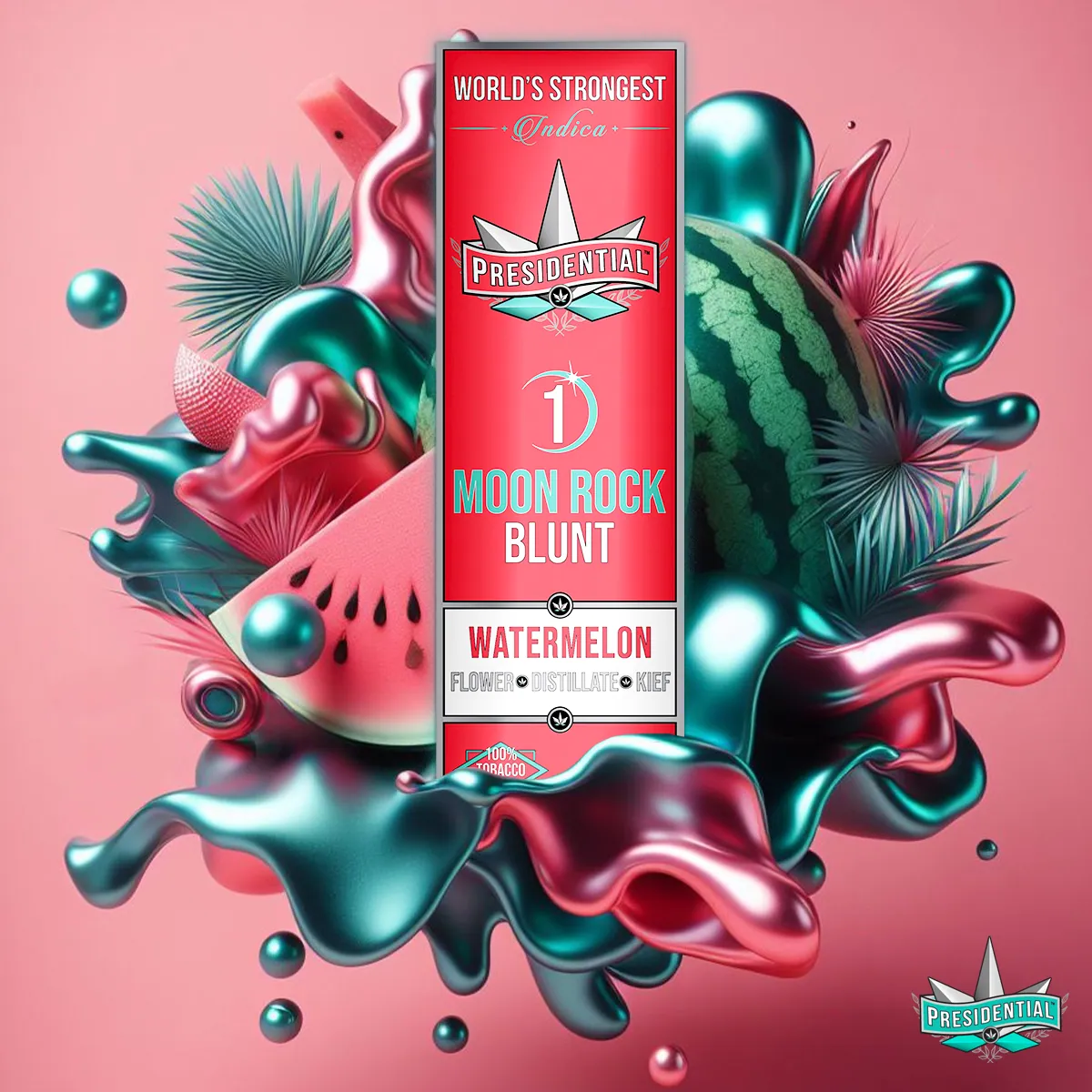
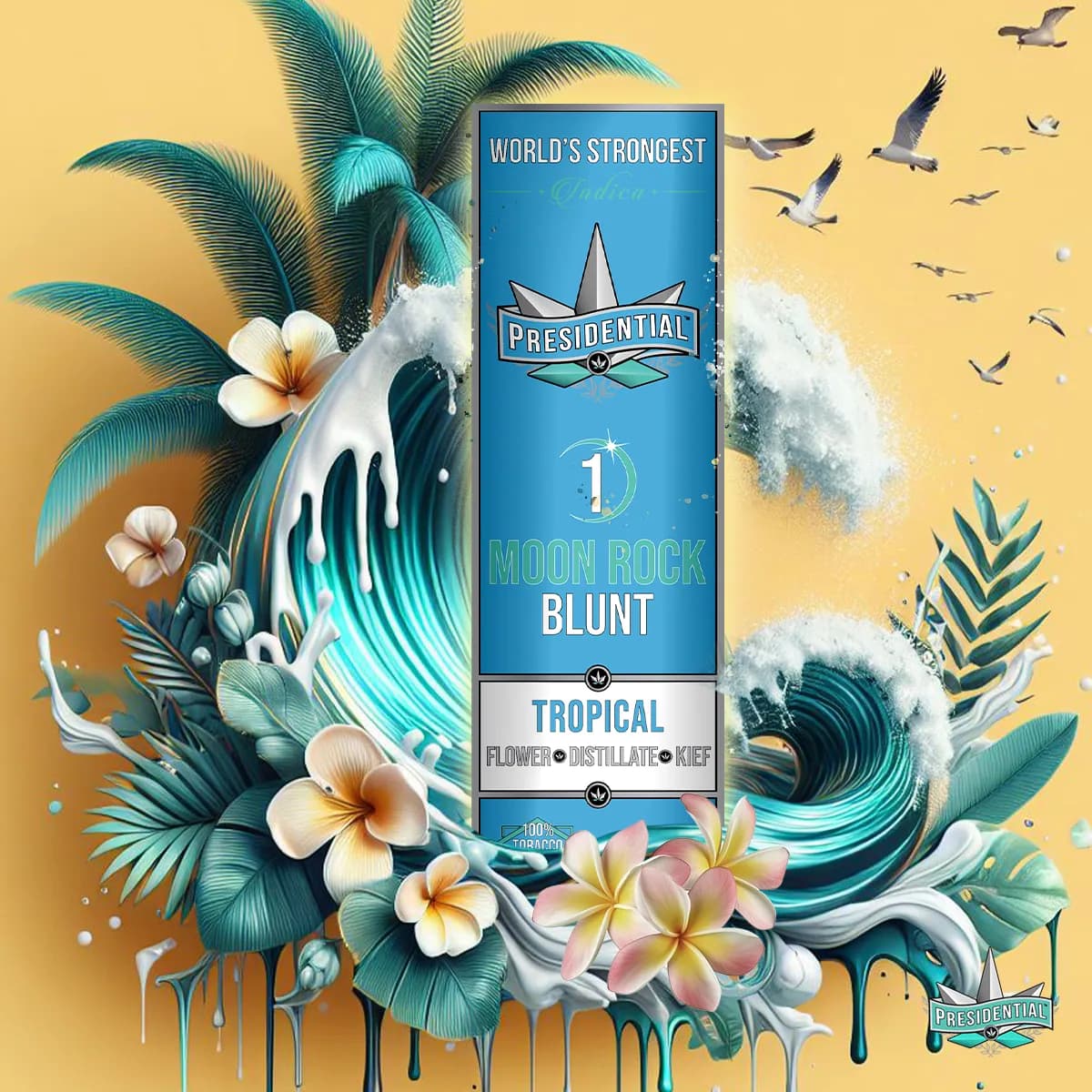
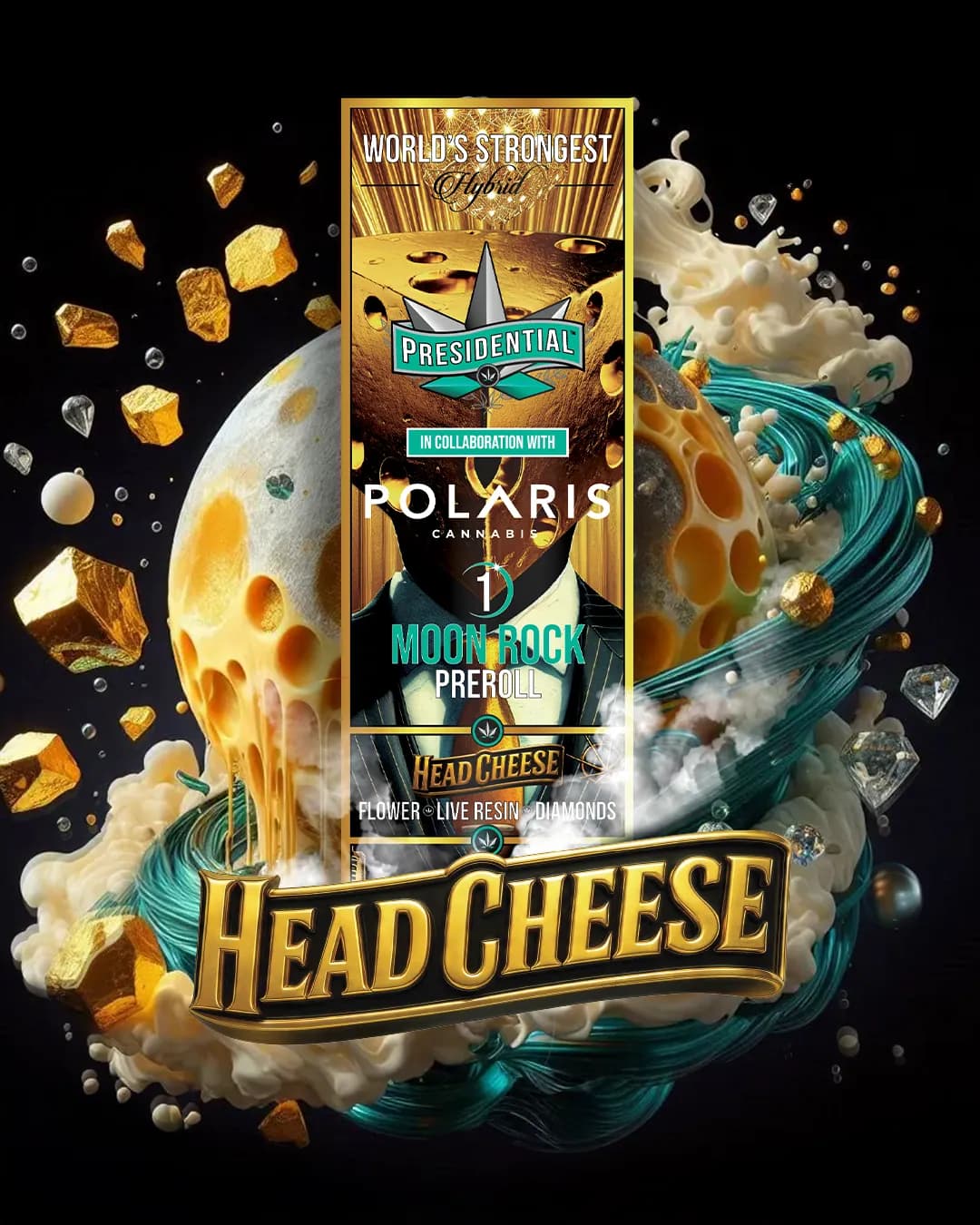
Infused formats arrive as a more prepared product. The label identifies the format, package count or size, potency, batch, and ingredients or components required by the market. The purchase places greater weight on package information and producer consistency, while flower quality remains the agricultural base under the added elements.
Price reflects different materials and preparation. Compare products within the same category and size, then consider the planned session. A raw-flower purchase offers flexibility and a direct relationship with the flower. An infused purchase offers a prepared composition with a different potency range and handling expectation.
Composition is the practical split. Raw flower keeps selection and preparation flexible; an infused format organizes flower with added concentrate and kief into a defined unit. Neither category is a universal default. Adults 21+ choose by what the occasion needs—direct observation and personal prep, or clear portions and less setup—then compare within that category on the licensed shelf.
Menu columns reinforce the same distinction. Format and package size come first, then cultivar or product description, dates, producer, and percentage fields. Read those numbers as batch details beside composition, not as a quality grade or a medical claim. Two rows with similar percentages can still differ sharply in aroma, structure, package count, and how ready the product is for the session you planned.
Narrow format by session plan with matching format to occasion when time, sharing, and preparation should decide category before percentages.
Read format, size, dates, and percentages with reading a menu so each column keeps its proper role beside composition.
Ground flower quality language in The Flower when aroma, density, moisture, and cure need observation beside either package.
Match the Category to the Occasion
Start with session length, sharing, portability, and preparation. Raw flower fits occasions where the flower itself and personal preparation are central. A prepared infused format fits occasions where packaging, portability, and a ready composition are central. Package size helps align either choice with the number of people and the time available.
Read the label in the same order for both: format, size, potency, cultivar or flower description, dates, producer, and storage guidance. On raw flower, add aroma, structure, and moisture. On infused products, add the package count and the clear product description supplied by the licensed producer.
A budtender can compare current inventory at the shopper's level. Ask which raw flower has the freshest defined aroma, which infused format matches the intended session size, and how the package information differs. The answer should make the purchase easier to picture. Choose the category whose composition and practical fit match the moment you already have in mind.
Pace belongs beside occasion. A short personal moment often favors a compact amount and simple handling; a longer shared plan can support raw-flower flexibility or a prepared format with clear portions. Write one line that names who is present, how long the moment lasts, and whether preparation is part of the experience. That line filters category and package size before the menu feels crowded.
Build a habit of reading labels on every visit. Confirm format, size, dates, producer, and storage guidance on the unit in hand—not only on the board. When label and shelf agree, the category decision is easier to trust. When they diverge, ask which batch is current and how this package differs from the last of the same name. Keep the conversation agricultural for adults 21+, never medical.
Visual inspection differs between the categories. Raw flower exposes the agricultural product, making bracts, trichomes, trim, and structure available for direct study. An infused format presents a finished composition, so package integrity, label clarity, producer consistency, and unit size carry more of the comparison. The buyer can still ask what flower forms the foundation.
Storage planning belongs in the purchase decision. Raw flower can move to a glass jar sized to the batch and stay cool and dark. A prepared infused product remains protected in its original package according to the label. Choosing a quantity that fits the intended timeline keeps either category organized and preserves its presentation.
Personal notes help compare categories on their own terms. Record the occasion, format, package size, aromatic character, freshness, and practical convenience. The next decision can then begin with what fit the moment. This keeps raw flower and infused products as distinct shopper choices while using the same disciplined method of label reading, licensed purchase, and careful storage.
When both categories sit on the same menu, keep shortlists separate: two raw-flower options and two infused options that fit budget and pace, then compare within each list. Decide which category matches preparation and presentation for the occasion before ranking individual SKUs. Adults 21+ finish with a coherent story across composition, label, and plan—never a medical claim tied to a percentage.
Batch freshness can be compared within both categories through dates and package condition. For raw flower, aroma and texture add direct evidence. For infused formats, a clear intact package and producer information carry greater weight before opening. Compare each product through the qualities its physical form makes available.
A mixed menu can feel simpler when divided into two shortlists. Choose two raw-flower options and two infused options that fit the budget and occasion, then compare within each list. Decide which category better matches the desired level of preparation and presentation. The final product choice then happens among genuinely comparable items.
The categories can both belong in an informed buying vocabulary without competing for one universal role. Raw flower centers direct agricultural observation. Infused formats center a prepared composition built on flower. A buyer who understands that distinction can move between them according to the moment while continuing to value licensed production, clear labeling, and a sound flower foundation.
The Presidential Cannabis guide connects this category decision to the plant, flower quality, genetics, and licensed-retail context.
Carry the plan into counter wording with what to ask when freshness, package size, and category need spoken confirmation.
Return to Choosing Cannabis at a Dispensary for the decision order that places occasion and format ahead of chasing a single menu number.